Gachiakuta Episode 2 Story & Scene Previews Released: Plus Interview with Director Fumihiko Suganuma
The story and preview stills for Episode 2 of the TV anime Gachiakuta have been released. The episode will air in Japan on Sunday, July 13, at 11:30 PM JST, and will be available on streaming platforms worldwide shortly after. Additionally, an in-depth official interview with director Fumihiko Suganuma—who is making his TV series directorial debut with this project—has been published.
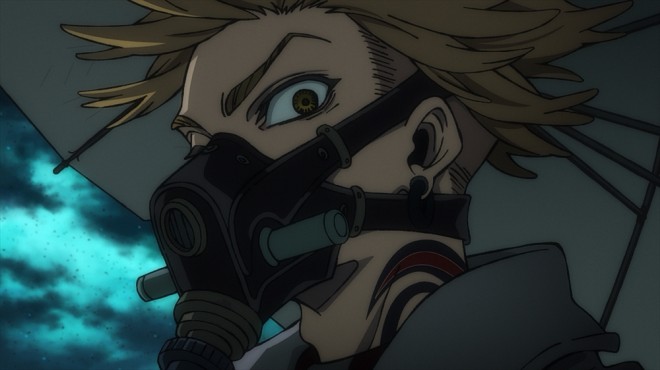
Enjin from Anime Gachiakuta © Kei Urana, Hideyoshi Andou and KODANSHA/ GACHIAKUTA Production Committee
Episode 2 Story
Subtitle: Imbued (JP: 宿り物, Yadori Mono)
Framed for the murder of his adoptive father, Regto, Rudo is cast down into the Pit—a dump for trash and criminals. Struggling to breathe in the polluted air, Rudo is attacked by a monstrous Trash Beast born from garbage. Just as he faces certain death, a mysterious man named Enjin appears before him.
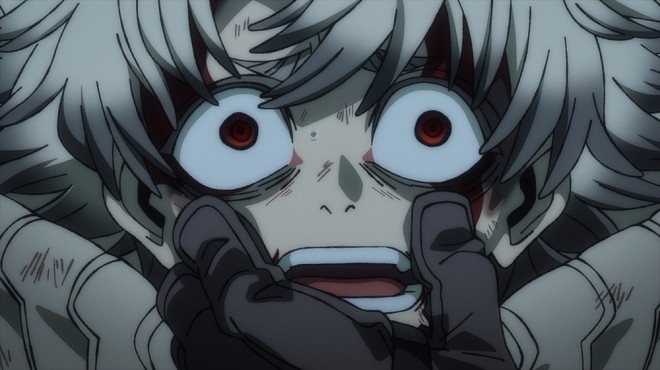
Rudo from Anime Gachiakuta © Kei Urana, Hideyoshi Andou and KODANSHA/ GACHIAKUTA Production Committee
Interview with Director Fumihiko Suganuma
■ About the Director
Fumihiko Suganuma is an anime director, storyboard artist, and animator. He has contributed to many titles at P.A. Works, such as SHIROBAKO and The Eccentric Family. After going independent, he worked on high-profile titles like THE FIRST SLAM DUNK and T・P Bon. Gachiakuta marks his first role as a series director.
— What was your reaction when you were offered the role of director for Gachiakuta?
Suganuma:
Honestly, I was happy. But since I'd only worked with Bones Film once before—on T・P Bon—I was also a bit nervous. Still, I had always hoped for an opportunity like this, so I was honored when Ando reached out.
— What was your first impression of the original manga?
Suganuma:
I first saw it when Volume 1 came out. The cover illustration grabbed me immediately. I felt it had something special. At the same time, I realized how important the artwork was and felt pressure to stay true to that. As for the story, the unpredictability both excited and challenged me.
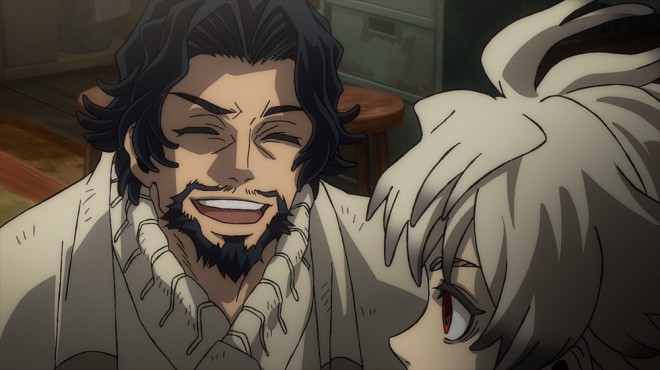
Regto from Anime Gachiakuta © Kei Urana, Hideyoshi Andou and KODANSHA/ GACHIAKUTA Production Committee
— What were your impressions of the original creators, Kei Urana and Graffiti Designer Hideyoshi Andou, when you met them?
Suganuma:
My first impression of Urana-sensei was "pink." At the time, he was wearing a punk look—leather jacket and boots—with pink hair. Hideyoshi Andou, who was beside him, was tall and had a commanding presence. I felt they were the perfect pair to create a manga like Gachiakuta.
We first discussed the setting and overall story background. I once asked Urana-sensei, "Which character reflects you the most?" He replied, "Zanka," which surprised me. I imagined that behind his edgy look, he had been grinding away at his craft—especially when it came to the artwork.
— Since Gachiakuta incorporates graffiti art by Hideyoshi Andou, how did you approach that in the anime adaptation?
Suganuma: I didn’t think anyone could replicate the raw power of the original graffiti, so I directly asked to use the art exactly as it was given to us.
— How did you work with Series Composer Hiroshi Seko and Character Designer/Chief Animation Director Satoshi Ishino?
Suganuma:
Since this was my first time directing, I leaned heavily on Seko-san. He’s worked on many renowned projects and is close to me in age. I specifically requested him through Bones Film. Though he was already busy, he kindly agreed and even said he was happy to be part of my directorial debut.
With Ishino-san, we discussed how to retain the feel of the original manga while incorporating a traditional cel-animation texture. For example, we experimented with Rudo’s hair movement while avoiding too many digital effects. We also focused on line texture—bringing back the pencil and pen feel that had faded in the digital age.
— The music has quite a punch to it. Did you give any direction to composer Taku Iwasaki?
Suganuma:
I didn’t give specific instructions but shared the world’s atmosphere—trash, metal scraps, etc. Iwasaki-san added digital and metallic sounds that truly enhanced the impact.
— Were there any notable requests or challenges involving the production team?
Suganuma:
The biggest issue was censorship for TV broadcast. There’s a scene where Rudo gives the middle finger in the original, and we tried various ways to keep it in—like partially hiding fingers—but ultimately, we couldn’t make it work. It was a memorable challenge.
(Amano: I first worked with Suganuma on T・P Bon, and since this genre was different, I was curious how he’d handle action. When I saw his storyboard for Episode 2, it ran long but fully captured the world. It strengthened my trust in his ability to depict the series' signature look and action.)
— Do you have any favorite characters to animate?
Suganuma:
I like them all, but Jabber, August, and Alice stand out. I feel like I can really let loose when drawing their more chaotic moments.
— What was your impression of the voice acting during the recording sessions?
Suganuma: I loved the exchanges between August and Alice. I’m also looking forward to scenes with Bundus and Bro. I enjoy scenes with lively banter and want to include more of that.
— Which scene left the biggest impression on you?
Suganuma: The battle with the Trash Beast in Episode 2. I reviewed it with the team several times. The scene where Rudo falls into the Pit (JP: 奈落, Naraku, Abyss) was also memorable. Animator Koki Tomiyoshi proposed a unique take that we used.
— Is there an object you personally treasure, similar to how the show revolves around cherished items?
Suganuma: I’ve always kept my manga. The first I ever bought was Super Mario-kun by Yukio Sawada. I don’t own many, but I rarely throw them away. Recently I’ve been reading HUNTER×HUNTER and Made in Abyss.
In anime, I’ve long wanted to rewatch the car scene from Lupin III: The Fuma Conspiracy—just haven’t had time yet (laughs).
— What’s the core message you want to convey through this anime?
Suganuma: In every project, my goal is to faithfully adapt the original. That’s my job above all else. At the same time, I want to bring the author’s message to life in a powerful way.
— Finally, any message to viewers?
Suganuma: I hope viewers ride the momentum of the show and charge forward with us. If the anime gives people strength or the courage to punch back at life, even just a little, I’ll be happy.
Introduction
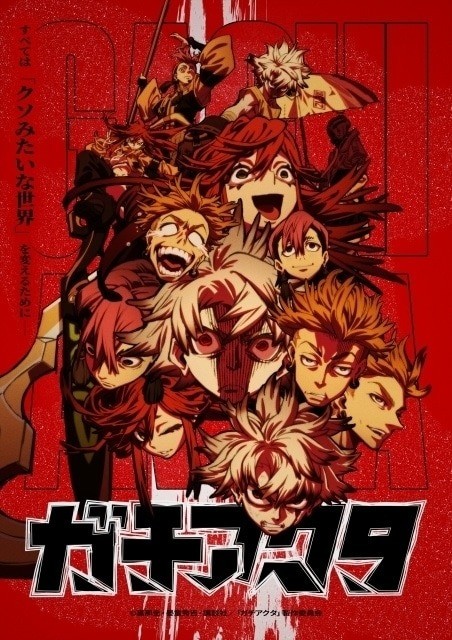
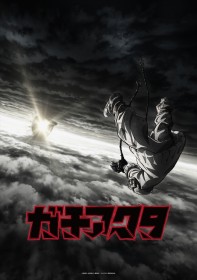
Gachiakuta Teaser Visual © Kei Urana, Hideyoshi Andou and KODANSHA/ GACHIAKUTA Production Committee
Gachiakuta is a battle action series featuring an orphan boy named Rudo, born in a slum where the descendants of criminals live.
People in the slums are looked down upon and discriminated against as “tribesfolk” by those who live beyond its walls.
Rudo lives together with Regto, the man who raised him, and makes ends meet using his extraordinary physical abilities, despite being called a “trash raider.”
Then one day, he’s falsely accused of a crime and dropped into a fearsome abyss known as the Pit.
Source : Gachiakuta Official

Related News
Gachiakuta Episode 1 Story & Scene Previews Released – Rise from the Abyss to Change This Lousy World!
The story and preview images for Episode 1 of the TV anime "Gachiakuta" have been revealed. The episode wil...
Gachiakuta Characters List | Names, Heights, Birthdays & Profile Summary
Discover detailed profiles of Gachiakuta characters, including birthdays, heights, and favorite things—base...
Gachiakuta Anime Adds Toshiyuki Morikawa and Yuuki Shin to Cast, Premieres July 6 with New PV
The upcoming TV anime Gachiakuta is officially set to premiere on July 6, 2025, at 11:30 PM JST on the CBC/...
.jpg)
New Visual and Short PV for Riyo Reaper from Gachiakuta Unveiled: Voice Actor Yumiri Hanamori Shares Insights
A new visual and short promotional video (PV) for Riyo Reaper—one of the main characters in the upcoming TV...
"Gachi Akuta" to be Animated for TV in 2025 by Studio BONES; PV Released
The manga "Gachi Akuta," currently serialized in "Weekly Shonen Magazine," will be adapted into a TV anime ...