


Japan’s BL Culture Gains Global Momentum, Connecting Asia Through Boys’ Love
BL (Boys’ Love) content is rapidly gaining momentum both in Japan and overseas. Originating from 1970s Japanese shoujo manga, the genre depicting male-male romance has transitioned from niche fan circles to mainstream TV dramas. As Japan’s BL culture evolves, it’s also strengthening creative ties across Asia. To explore the genre’s ongoing transformation, Chil-Chil, one of Japan’s largest BL news platforms, shared insights into the state of the scene.

Korean BL drama Love for Love's Sake, streaming on FOD, receives a manga adaptation. © STUDIO COFFEEBREAK, SOON ENT. All rights reserved.
From Niche to Mainstream: Over 10 BL Dramas Aired in 2024
Once considered a niche genre enjoyed quietly by enthusiasts, BL-themed TV dramas featuring male-male romance are now increasingly mainstream in Japan. A pivotal moment came in 2016 with the late-night broadcast of the standalone drama Ossan’s Love on TV Tokyo. Its 2018 series adaptation became a social phenomenon, laying the groundwork for subsequent titles such as What Did You Eat Yesterday? (2019), Cherry Magic! Thirty Years of Virginity Can Make You a Wizard?! (2020), My Beautiful Man (2021), and My Personal Weatherman (2023).
In 2024 alone, more than ten BL dramas aired on terrestrial television. Anri Hirano from Chil-Chil expressed surprise at the genre’s rapid rise: “It’s something we couldn’t have imagined ten years ago.”

Japan’s leading BL information site Chil-Chil shares insight into the genre’s rapid global rise.
What Sparked the Genre’s Breakthrough?
BL content has traditionally been distributed across five primary media: anime, live-action dramas and films, manga, novels, voice dramas, and games. Among them, manga has been the cornerstone of Japanese BL culture since the 1970s, producing numerous notable works in both commercial publications and fan-made (doujinshi) circles. However, the fanbase remained relatively niche, and fans often consumed such content discreetly. While live-action BL films did exist, the genre was largely absent from mainstream media like television.
So what changed over the past decade?
According to Hirano, while Ossan’s Love helped open the door for broader audiences, another crucial factor was the international success of Thai BL dramas—especially SOTUS, which gained global traction in 2016. Thai BL content not only resonated with established BL fans but also attracted general Asian drama audiences. Hirano believes the popularity of Thai BL likely influenced Japan’s increase in domestic BL drama production.
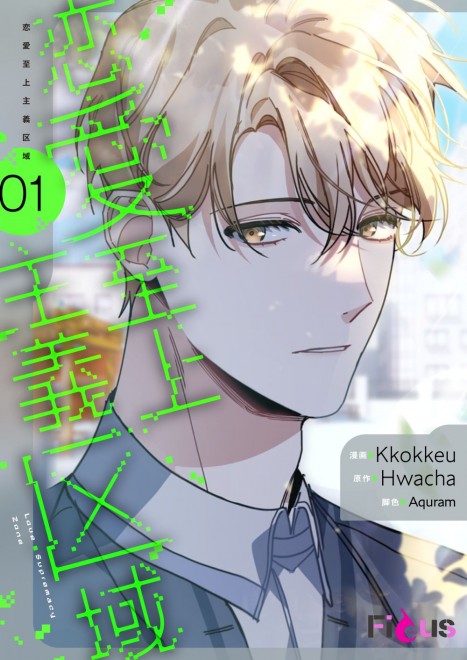
Love for Love's Sake adapted into manga by Kkokkeu, Hwacha, and Aquram. © Kkokkeu/Hwacha/Aquram/Daewon C.I. Inc./Cmoa Comics
The Rise of Digital BL and Changing Values
Another major influence was the growth of digital comics during the COVID-19 pandemic, which expanded the BL audience. Chil-Chil’s annual reader-voted event, the BL Awards, saw a surge in participation. “In 2022, the number of votes was 6.5 times higher than ten years earlier,” Hirano revealed, suggesting many new fans discovered original BL comics after watching BL dramas.
Hirano also attributes the genre’s growth to shifts in social values over the last decade. “Ten years ago, same-sex couples weren’t as socially accepted, and even fictional depictions faced strong resistance,” she said. “Now, especially among younger generations, diverse sexualities are more neutrally embraced.”
Additionally, the rise of “oshi-katsu” (supporting favorite characters or celebrities) culture has made otaku identities more accepted. Some fans now use the once self-deprecating label “fujoshi” (female fans of BL) in a positive, even proud manner.
Japan vs. Asia: How BL Differs by Country
While Japan’s BL culture is flourishing, the genre has also taken root across Asia. “Many people abroad discover BL through fan art shared on social media,” Hirano said. “It’s widely recognized as a culture originating in Japan, and more people around the world are learning to create BL works based on Japanese methods.”
Thailand, China, Taiwan, and South Korea all have well-developed BL scenes, each reflecting local sensibilities:
Thailand: Known for bright, slice-of-life romance stories with emotional depth reminiscent of Japanese shoujo manga.
Taiwan: Also slice-of-life, but often with darker, more serious tones.
China: Features BL elements in epic, historical narratives with rich storytelling.
Unlike Japan, where manga leads the genre, novels are the main form of BL expression in many Asian countries. In China, strict regulations on depicting male-male romance have encouraged creators to rely on text rather than illustrations. Novel-sharing platforms also serve as the main outlet for BL content throughout Asia.
Spotlight on Korean BL: From Webtoons to Idol-Led Dramas
Korean BL has become increasingly influential among Japanese fans. While South Korea also has a strong novel tradition, webtoons are now particularly prominent in its BL space. Compared to Japan’s standalone BL manga volumes, webtoons often feature long-running series, allowing extended character development and relationship arcs. Many Korean webtoons strike a balance between engaging plotlines and affectionate interactions.
One common Korean BL trope is the “high-spec seme saves the unfortunate uke”—a dynamic that was once popular in Japanese BL. “Far from outdated, many longtime fans actually say ‘Korean BL is the best!’ because Japan has moved away from those classic setups,” Hirano noted.
Korean streaming dramas are also gaining traction. Popular series like Semantic Error and Secret Relationships have broadened the audience base, especially as more idols are cast in lead roles.
One notable title, Love for Love’s Sake, recently announced its manga adaptation exclusive to Comic Cmoa. In the drama version, former Myteen member Lee Taebin stars as the protagonist Myung-ha, with Cha Joo-wan—who appeared in aespa’s music video—playing the romantic lead. The fantasy story follows a young man who gets pulled into a game world and must complete a mission: “Make Cha Yeong happy.” Balancing romantic and existential themes, the series has been well-received for its emotional depth.
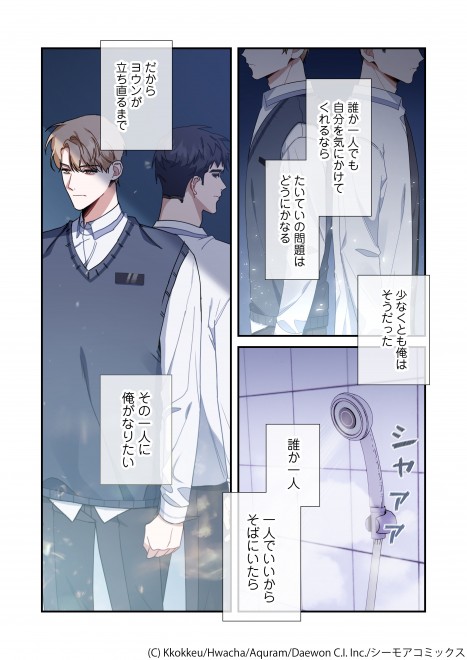
Preview from Volume 1 of the Love for Love's Sake manga. © Kkokkeu/Hwacha/Aquram/Daewon C.I. Inc./Cmoa Comics
Japan-Asia Collaborations Signal Cross-Cultural Expansion
The evolving BL scene has sparked new levels of international collaboration. “We’re already seeing this happen,” Hirano said, citing several recent examples:
Koji Mukai (Snow Man) and March Chutavuth Pattarakampol co-starred in Dating Game: May I Flirt with You, Boss!?, making Mukai the first Japanese actor to lead in a Thai drama.
Hayato Isomura and Ok Taec-yeon (2PM) co-starred in the newly released Netflix series Soulmate.
These high-profile cross-border projects suggest that more co-productions are likely in the future. “It’s not an exaggeration to say that BL is connecting the world,” Hirano emphasized.
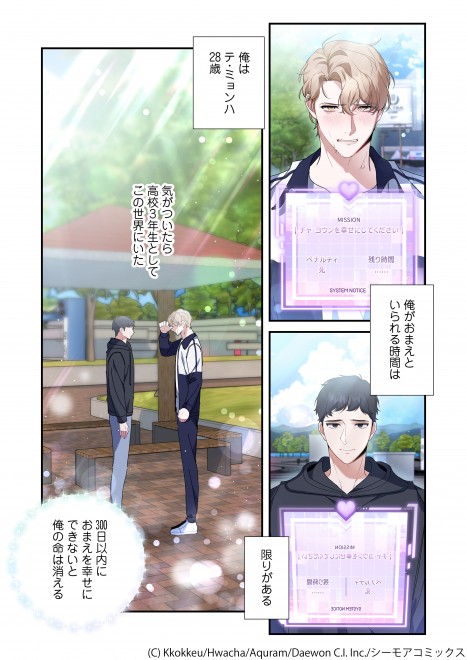
Preview from Volume 1 of the Love for Love's Sake manga. © Kkokkeu/Hwacha/Aquram/Daewon C.I. Inc./Cmoa Comics
BL as a Global Fandom and Export Power
With a growing global fanbase—especially across Asia—BL is becoming a powerful force in content export.
“Japanese dramas often struggle in overseas markets,” Hirano observed. “But BL’s clarity and emotional hooks give it an advantage. Short social media clips—sometimes just a three-second kiss scene—can instantly draw attention.”
Many Japanese actors who appear in BL dramas go on to land magazine covers and gain international fans. Once a hidden niche, BL is now a worldwide movement. As Japan and Asia continue to exchange influence through the genre, more diverse and compelling entertainment is expected to emerge from this evolving cultural bridge.
Source : ORICON NEWS

Related News
Rociel Kasyou Joins Summer Comiket as Mion Sonozaki from Higurashi: When They Cry—“It Felt So Nostalgic”
Rociel Kasyou joined Comiket 106 as Mion Sonozaki from Higurashi: When They Cry, sharing her cosplay journe...
Viral Masterpiece! Moe Iori’s Bold Ani Cosplay at Comiket—A Stunning Challenge Within the Rules
Moe Iori’s Ani cosplay from Grok at Comiket 106 went viral for its creative design that balanced bold visua...

[INTERVIEW] “Wait, What!?” — Chikuma Mayor Reacts to Turkey! Anime’s Sengoku Time-Travel Twist
The anime Turkey!, set in Chikuma City, Nagano Prefecture, has been drawing national attention since its br...
![[INTERVIEW] “Wait, What!?” — Chikuma Mayor Reacts to Turkey! Anime’s Sengoku Time-Travel Twist](/upimg/thumb/5000/5882/img280/turkey-key-visual-anime-chikuma-2025-01.jpg)
KADOKAWA Tackles Global Manga Talent Shortage with the “Wordless World Manga Contest” — “Inspiration Can Begin Anywhere”
competition designed to transcend language barriers, received 1,126 submissions from 104 countries and regi...

“Reijo” Genre Gains Rapid Popularity Overseas… Why Terms Like “Senpai” and “Isekai” Are Left Untranslated
The “Reijo” genre gains explosive traction among female readers in North America, driven by MangaPlaza’s st...

“Demon Slayer” Shinobu Kocho’s Appeal Lies in “Passionate Emotions” – Saori Hayami Says, “Watching Her Hatred for Demons Feels ...
Saori Hayami shares insights on Shinobu Kocho’s passionate nature and her own journey as a voice actress an...

[Interview] Aimer × LiSA Talk About "Songs" and "Oshi" as They Journey Through Demon Slayer Together – Double Theme Songs in th...
In the film Demon Slayer: Infinity Castle Arc – Part 1: Akaza's Return, released on July 18, Aimer and LiSA...
![[Interview] Aimer × LiSA Talk About "Songs" and "Oshi" as They Journey Through Demon Slayer Together – Double Theme Songs in the "Infinity Castle Arc"](/upimg/thumb/5000/5471/img280/2397265_20250723_132911_photogallery_original_34736484_logo_none.jpg)
[INTERVIEW] My Melody & Kuromi: Director Misato on Sanrio’s New Challenge
The Netflix series My Melody & Kuromi, featuring beloved Sanrio characters My Melody and Kuromi, begins str...
![[INTERVIEW] My Melody & Kuromi: Director Misato on Sanrio’s New Challenge](/upimg/thumb/5000/5464/img280/sanrio-my-melody-kuromi-netflix-2025-01.jpg)