


Gamera's 60th Anniversary Brings 4K Restored Showa Films
Key Facts
• 2025 marks the 60th anniversary of Gamera, the Giant Monster (1965)
• Three Showa-era Gamera films will be released in 4K digital restoration
• Restoration is supervised by Shinji Higuchi and Shunichi Ogura
• The selected titles are the first three Showa Gamera films from 1965 to 1967
• The restorations are part of the Gamera 60th Anniversary Project
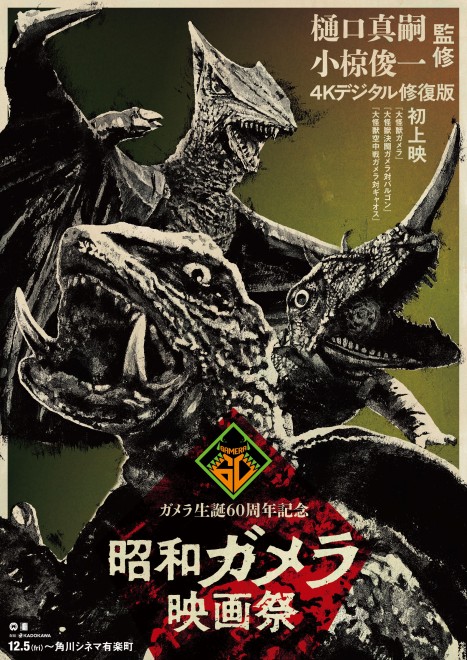
4K digitally restored versions of three classic Gamera films supervised by Shinji Higuchi and Shunichi Ogura, released as part of the Gamera 60th Anniversary Project. ©KADOKAWA
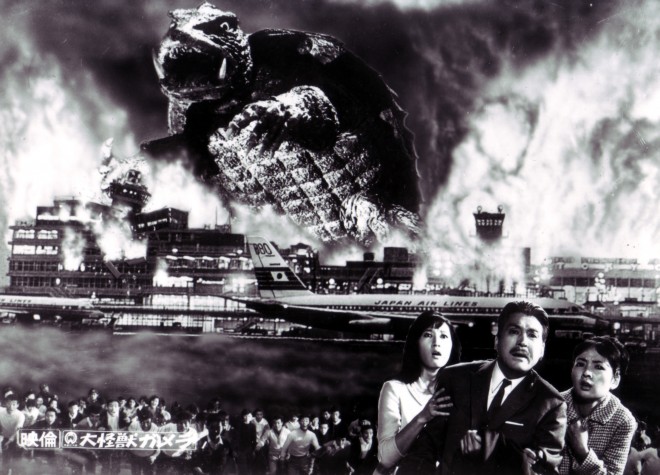
4K digitally restored versions of three classic Gamera films supervised by Shinji Higuchi and Shunichi Ogura, released as part of the Gamera 60th Anniversary Project. ©KADOKAWA
In 2025, the iconic kaiju Gamera celebrates its 60th anniversary since debuting in the 1965 film Gamera, the Giant Monster. As part of the official Gamera 60th Anniversary Project, three of the earliest films from the Showa era are being digitally restored in 4K. The restoration is supervised by filmmaker Shinji Higuchi and timing specialist Shunichi Ogura, marking a milestone for long-time fans and film preservation.
What Is Included in the 4K Restoration Project?
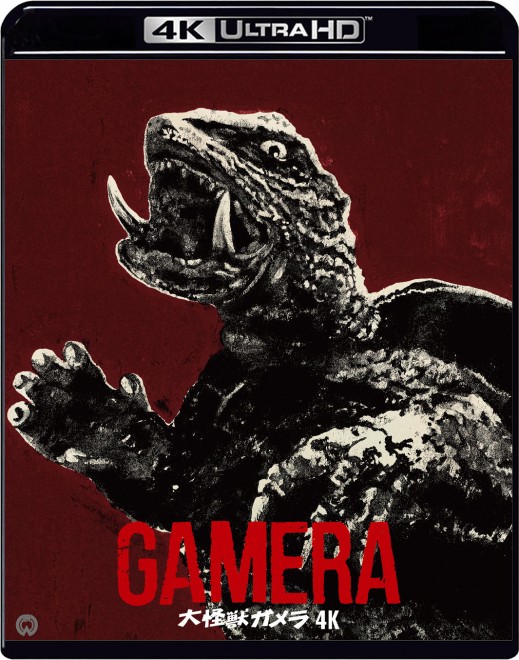
4K digitally restored versions of three classic Gamera films supervised by Shinji Higuchi and Shunichi Ogura, released as part of the Gamera 60th Anniversary Project. ©KADOKAWA
The 4K digital restoration will feature the first three installments of the Showa-era Gamera series. These include:
Gamera, the Giant Monster (1965): The black-and-white original that introduced Gamera, a giant turtle-like monster who emerges from the Arctic and evolves into a defender of children.
Gamera vs. Barugon (1966): The first color film in the series, known for its vivid optical effects, including Barugon's rainbow ray.
Gamera vs. Gyaos (1967): The third film that established Gamera’s identity as a protector of children, featuring his iconic rival, Gyaos.
These films played a significant role during the kaiju movie boom of the Showa era. Their re-release in 4K is part of a broader effort to reintroduce Gamera to new and existing audiences in the Reiwa period.
Who Is Behind the Restoration?
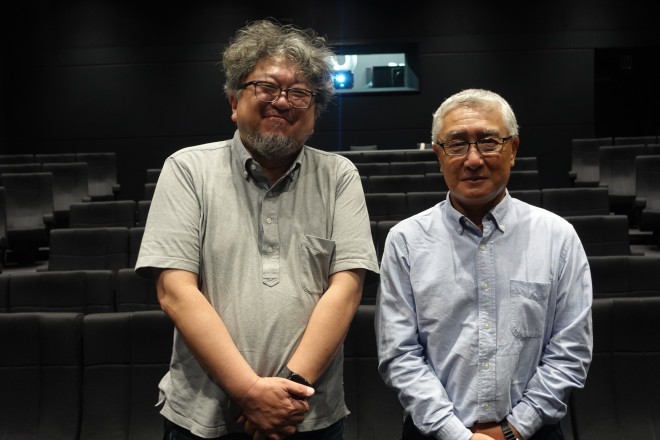
4K digitally restored versions of three classic Gamera films supervised by Shinji Higuchi and Shunichi Ogura, released as part of the Gamera 60th Anniversary Project. ©KADOKAWA
The project is overseen by two key figures: Shinji Higuchi and Shunichi Ogura. Higuchi served as the special effects director for the Heisei Gamera trilogy—Gamera: Guardian of the Universe, Gamera 2: Attack of Legion, and Gamera 3: Revenge of Iris. For this project, he is directing the digital restoration effort for the first time.
Shunichi Ogura, a veteran timing specialist, also joins the project. He previously worked on timing for the Heisei Gamera films and has since contributed to many 4K restorations of classic Japanese films. The two collaborated extensively in the 1980s and 1990s while at IMAGICA, and their reunion for this restoration adds historical significance to the project.
According to Ogura, the current restoration uses the original negatives instead of theatrical prints. This allows for greater clarity and detail in both bright and dark areas, preserving information not visible in the original releases.
The Significance of the Gamera 60th Anniversary
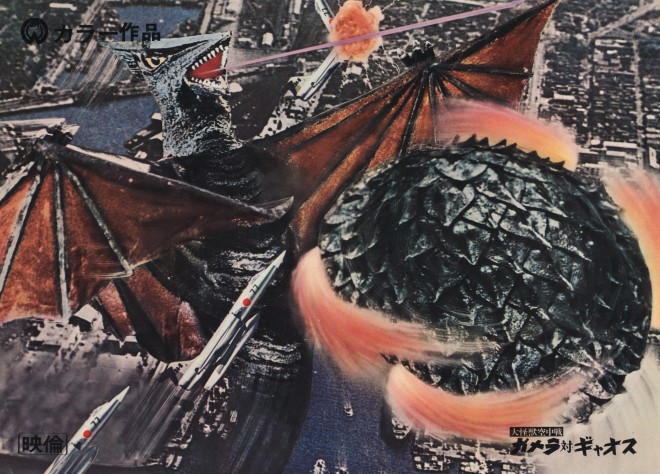
4K digitally restored versions of three classic Gamera films supervised by Shinji Higuchi and Shunichi Ogura, released as part of the Gamera 60th Anniversary Project. ©KADOKAWA
Launched under the slogan “Discover New Charms of Gamera!”, the Gamera 60th Anniversary Project spans multiple campaigns and events throughout 2025 and into 2026. The 4K restorations of the Showa trilogy are central to this celebration.
A special announcement video features footage from the Showa and Heisei eras, as well as the 2023 Netflix anime GAMERA -Rebirth-, illustrating the evolution of the character across decades. This underscores Gamera’s lasting presence in Japanese pop culture through multiple generations.
Higuchi remarked that working on the restoration felt like retracing the steps of the original creators. He noted the impressive use of techniques like double exposure without optical printers, highlighting the ingenuity of the 1960s filmmakers.
These restored versions aim to bring out surface textures and ambient details previously obscured in grain and darkness, offering a new way to experience these classic kaiju films.
Source : ORICON NEWS

Related News
Kaiju No. 8 Rocks Anime Expo 2025 with Godzilla Collab and Live Voice Acting
From July 3 to 6, Anime Expo 2025 took place in Los Angeles, with Kaiju No. 8 drawing a massive crowd at it...
Tom Cruise and Takashi Yamazaki Bond Over Filmmaking at SHIBUYA SKY: “Your Work Makes Me Jealous—in the Best Way”
During his visit to Japan to promote Mission: Impossible – The Final Reckoning, Tom Cruise, along with dire...
.jpg)
How Does the Wingman Live-Action Adaptation Kick Off? Episode 1 Filled with Tokusatsu Easter Eggs
The first episode of the highly anticipated live-action adaptation of Wingman, celebrating the 40th anniver...

[Tokusatsu] Discover the Voices Behind 'Wingman' - Akio Otsuka, Haruka Tomatsu, and Tomokazu Seki Join the Cast
To celebrate the 40th anniversary of Masakazu Katsura's representative work, the live-action drama 'Wingman...
![[Tokusatsu] Discover the Voices Behind 'Wingman' - Akio Otsuka, Haruka Tomatsu, and Tomokazu Seki Join the Cast](/upimg/thumb/2000/2099/img280/2fdf81dad322ed7c4d60b15cfa69b82a.jpg)
[Tokusatsu] Wingman by Masakazu Katsura Gets Live-Action Drama Adaptation for 40th Anniversary
Masakazu Katsura, the manga artist known for Video Girl Ai and I"s, will see his debut series Wingman adapt...
![[Tokusatsu] Wingman by Masakazu Katsura Gets Live-Action Drama Adaptation for 40th Anniversary](/upimg/thumb/1000/1637/img280/8d5516be49a2e8c8b5f7950dc3551baf.jpg)
[Tokusatsu] Blue SWAT Celebrates 30th Anniversary with Special Edition 'Dictator' Collectible
Bandai Namco's official online store, Premium Bandai, will begin accepting pre-orders for the "Dictator 30t...
![[Tokusatsu] Blue SWAT Celebrates 30th Anniversary with Special Edition 'Dictator' Collectible](/upimg/thumb/1000/1401/img280/64d1b12bba1cc7b75cd146894d54edaa.jpg)
[Tokusatsu Interview] Toho's Legendary Tokusatsu Film 'The Human Vapor' Reboot Project Kicks Off: Insights from Producer and D...
The legendary tokusatsu film "The Human Vapor" from Toho will be rebooted as a live-action series, marking ...
![[Tokusatsu Interview] Toho's Legendary Tokusatsu Film 'The Human Vapor' Reboot Project Kicks Off: Insights from Producer and Director](/upimg/thumb/1000/1382/img280/0cd2b0433e5e5e21ccf0a4a0a7b8ad9a.jpg)