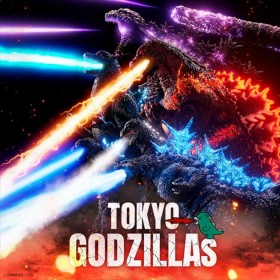
Analysis: Why Did Japan Become the Kingdom of Characters?
From the latter half of the 20th century to the present, Japanese characters have gained global acceptance alongside advances in technology and changes in media. Manga, a relatively traditional medium, developed its own unique systems in Japan, such as the “weekly” publishing model and “reader surveys” seen in Weekly Shonen Jump. These mechanisms allowed a steady cycle of renewal while maintaining quality, creating the foundation for works like Dragon Ball, One Piece, and Jujutsu Kaisen.
Manga then evolved into television anime. As popular series were adapted into animated form and achieved success, they gradually began to reach international audiences as well.
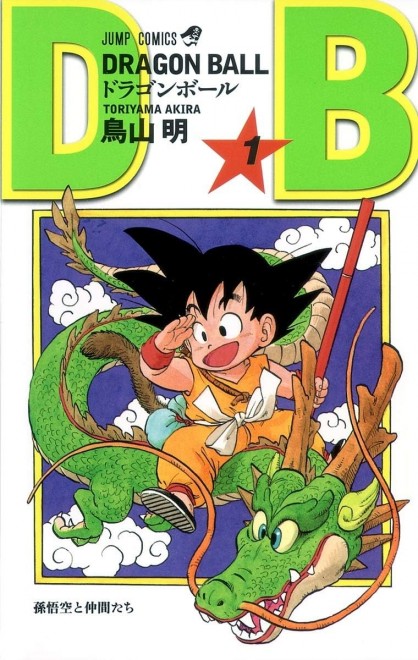
Dragon Ball Vol.1 ©Bird Studio/Shueisha
In the gaming medium, which developed from the 1980s onward, Nintendo introduced a wave of new characters such as Super Mario, Donkey Kong, and The Legend of Zelda. Remarkably, Mario, Donkey Kong, and Link were all created by Shigeru Miyamoto. These characters have since expanded beyond video games, entering theme parks and films where they have also achieved major success.
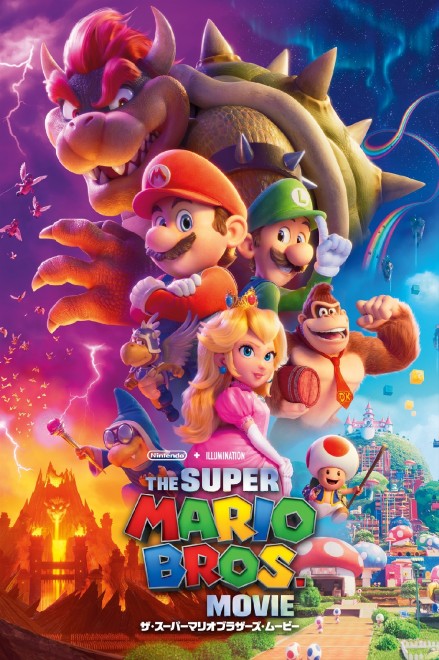
Visual from The Super Mario Bros. Movie (C) 2023 Nintendo and Universal Studios. All Rights Reserved.
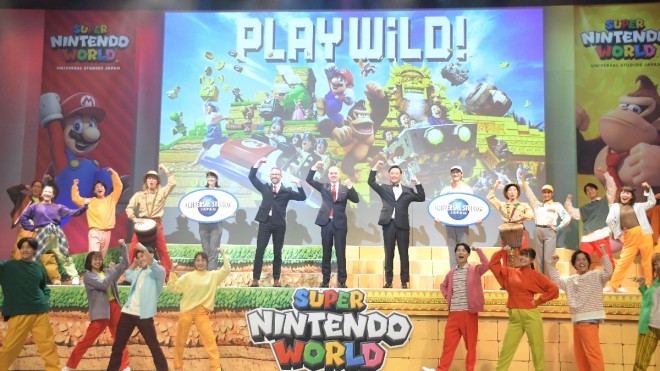
Announcement image for “Donkey Kong Country” opening at Universal Studios Japan on December 11 (C) ORICON NewS inc.
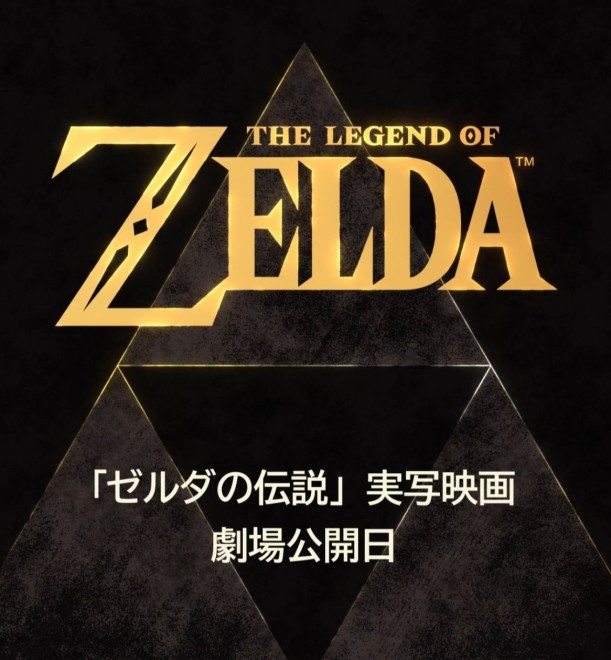
Live-action The Legend of Zelda movie set for release on May 7, 2027 © Nintendo
Japanese games often blend playful fantasy with real-world elements, such as mushrooms that change a character’s size. Japanese traits such as careful attention to detail and small, playful touches may also contribute to how manga, anime, and games resonate with audiences.
After decades of development, Japan’s character business now stands in what can be described as a golden age.
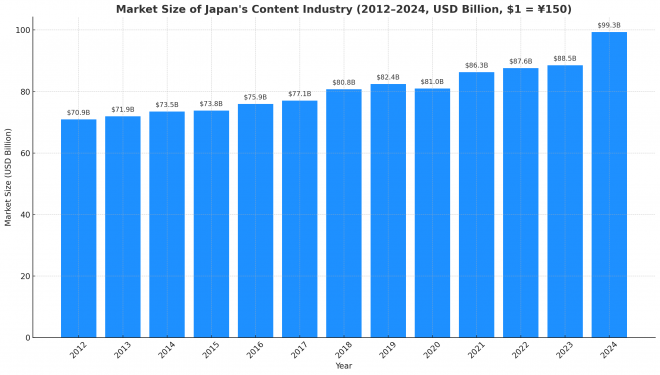
Japan content market size trends, created by the author based on data from the Cabinet Office and Human Media Inc.

Related News
Captain Pikachu Makes Surprise Appearance at ME:I Concert in Yokohama with Special Collaboration Performance [Spoilers]
Captain Pikachu joined ME:I’s Yokohama arena tour stop for a surprise performance of “Ready GO” from Pokémo...
![Captain Pikachu Makes Surprise Appearance at ME:I Concert in Yokohama with Special Collaboration Performance [Spoilers]](/upimg/thumb/5000/5799/img280/ME-I -pikachu.jpg)
Jump Magazine and Pokémon Join Forces for the First Time—Special Fold-Out Cover Features ONEPIECE, Kagurabachi, and More
Weekly Shonen Jump and the globally beloved Pokémon franchise have teamed up for the first time ever, unvei...

[INTERVIEW] My Melody & Kuromi: Director Misato on Sanrio’s New Challenge
The Netflix series My Melody & Kuromi, featuring beloved Sanrio characters My Melody and Kuromi, begins str...
![[INTERVIEW] My Melody & Kuromi: Director Misato on Sanrio’s New Challenge](/upimg/thumb/5000/5464/img280/sanrio-my-melody-kuromi-netflix-2025-01.jpg)
LE SSERAFIM Talks Bonds with My Melody & Kuromi
LE SSERAFIM appeared in a new talk video surrounded by My Melody and Kuromi merchandise, discussing group b...

SPY×FAMILY × Sanrio Collaboration Brings Exclusive Pop-Up Shops in Japan
The hit anime SPY×FAMILY is teaming up with Sanrio for an exclusive collaboration featuring adorable new vi...

JUMP SHOP Osaka Tennoji Store Reopens Permanently on Aug 1
Shueisha’s officially licensed JUMP SHOP Osaka Tennoji Store will reopen as a permanent location on August ...

Shonen Jump+ Game “Jump+ Jumble Rush” to Launch in Fall 2025
Bandai Namco Entertainment announced on July 3 that Jump+ Jumble Rush, a new smartphone game based on the S...

DIGIMON BEATBREAK Reveals New Visuals for Tomoro Tenma, Reina Sakuya, Makoto Kuonji and Partners
The upcoming anime DIGIMON BEATBREAK, the tenth television series in the Digimon franchise, has released ne...
Kaiju No. 8 Rocks Anime Expo 2025 with Godzilla Collab and Live Voice Acting
From July 3 to 6, Anime Expo 2025 took place in Los Angeles, with Kaiju No. 8 drawing a massive crowd at it...
Historic Godzilla Returns in Projection Mapping at Tokyo Metropolitan Government Building: Phase 2 Starts November 30 (Nov. 202...
On November 3, 1954, Godzilla first appeared on movie screens, captivating audiences not just in Japan but ...